
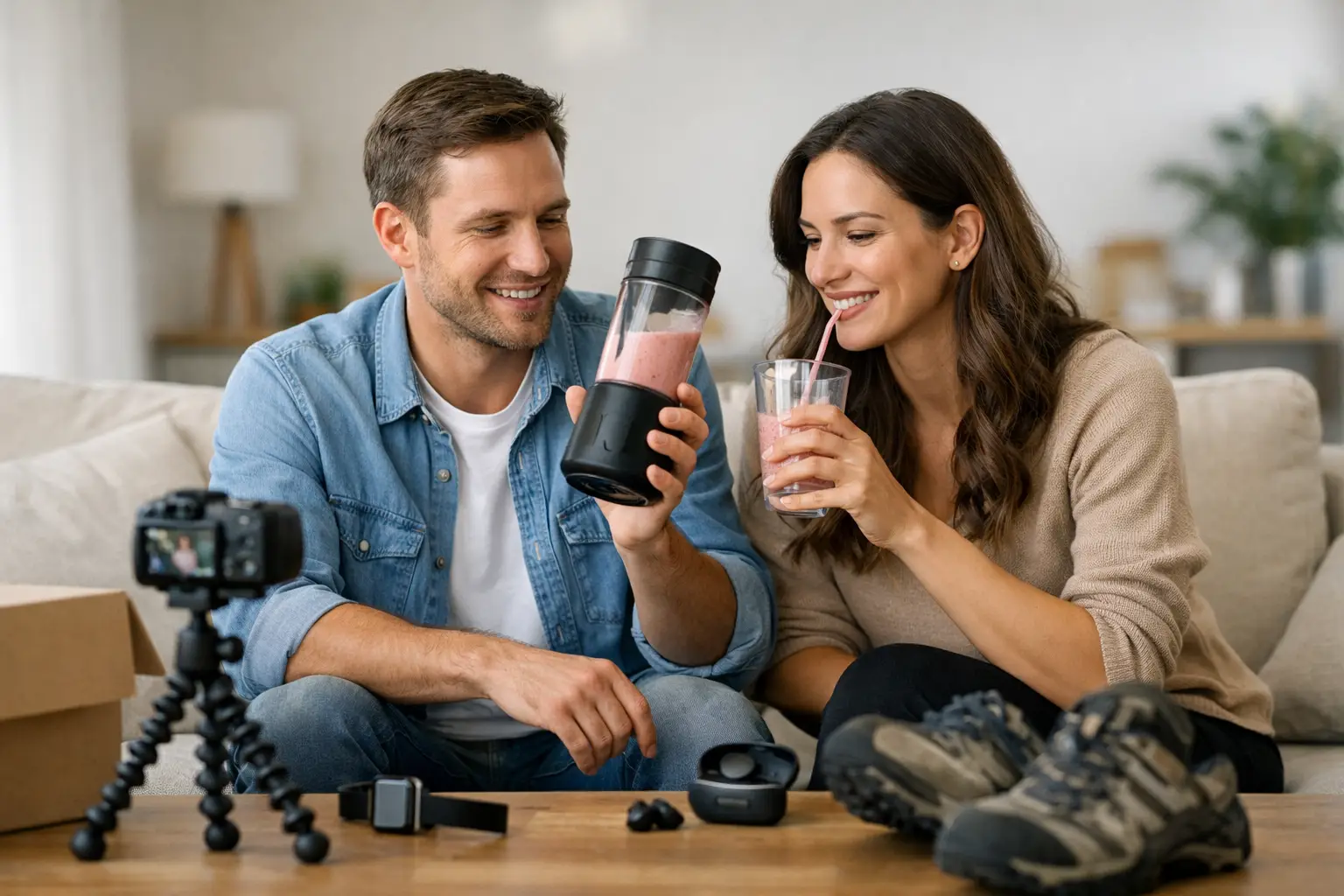
Reviews have a new home. I’m moving my product reviews from Vlog Life 247 to Vlog Life Reviews. Subscribe there for my latest reviews.
A scooter that feels quick on a smooth test ride can feel very different after a week of wet pavements, steep hills and carrying shopping home. A restaurant that looks brilliant in a staged photo can be a let-down when the queue is long, the portions are small and the service is off. That gap between the polished version and the real experience is where the future of honest reviews will be decided.
People are not short of opinions online. They are short of reviews that answer the questions they actually have before spending their money or giving up their Saturday afternoon. Is it worth it? What is the catch? Would you go back? Does it still hold up after the first bit of excitement wears off?
For a long time, the internet rewarded confidence, clean visuals and big claims. A shiny product video could make almost anything look useful. A picture-perfect meal could make a local spot seem like the place to be. But viewers have become sharper. They know when a script sounds like an advert, and they can spot a creator avoiding the inconvenient parts.
The next era of reviews will not be about pretending every experience is brilliant. It will be about showing enough of real life for people to make their own call.
The future of honest reviews needs more than a score
A star rating is quick, but it often tells us very little. One person gives a café three stars because it was busy. Another gives it five because the same busy atmosphere felt lively. Neither is necessarily wrong. What matters is the context behind the rating.
Useful reviews explain who something may suit, where it struggles and what the reviewer expected going in. A budget hotel near a train station may be noisy, but ideal for an early departure. A small independent food spot may have limited seating, but serve something you will remember all week. A powerful e-scooter may be great for private land use and rougher ground, while also being heavy, expensive and not right for every rider.
That is more valuable than saying something is simply “the best” or “not worth it”. Real opinions have edges. They leave room for the fact that different people have different budgets, routines and standards.
For food, travel and everyday products, the strongest review is often one that shows the full setting. Not just the plated meal, but the menu price, the wait, the portion and whether the place feels welcoming. Not just the hotel room, but the route from the station, the noise outside and the state of the bathroom at 7am. Not just a new gadget coming out of its box, but how it copes when it is used repeatedly.
The awkward bits are often the useful bits
Nobody expects every visit or product to be flawless. In fact, a review can feel more believable when it admits the small frustrations. Maybe the food was excellent but the tables were cramped. Maybe the camera takes great footage but the battery did not make it through a full day out. Maybe an attraction was fun, but not worth the entry price for a large family.
Those details do not make a review negative. They make it usable.
The problem comes when creators hide problems because they want to keep access, please a brand or avoid a difficult comment section. A positive review is fine when the experience deserves it. The issue is when every experience somehow gets the same glowing response. Real life is not like that, and viewers know it.
Video can prove experience, but it can also mislead
Vlogging gives reviewers a real advantage. Video can show a place as it is: the crowds, the weather, the surroundings, the portion size and the condition of a product in someone’s hands. It gives the audience more than a tidy paragraph and a few press photos.
But video is not automatic proof of honesty. Editing can remove the wait, crop out the mess, hide the faults and make a quiet venue look packed. A creator can shoot ten seconds of the best moment and leave viewers with the wrong impression of a three-hour outing.
That does not mean every vlog needs to be long or rambling. It means the editing should not change the truth of what happened. If a place was busy, say when you visited. If a product was sent free of charge, say so plainly. If a brand paid for part of the experience, make that clear before giving an opinion.
Disclosure is not a weakness. It is respect for the audience. People can still value a review of a gifted item or a hosted meal, especially when the creator explains the arrangement and stays honest about what worked and what did not. Hiding it is what damages trust.
AI will make proof and personality matter more
The rise of AI-written review sites is going to make the difference between lived experience and recycled information even clearer. It is easy to produce pages of polished copy about a restaurant, hotel or product without ever going there or using it. The wording may sound confident, but it cannot tell you whether the chips arrived cold, whether the room smelled damp or whether a charger failed after a few days.
AI can help creators with admin, captions and organising ideas. Used sensibly, that is not the enemy. The problem starts when content is presented as first-hand knowledge when it is only a summary of other people’s opinions.
As more generic content fills search results and social feeds, viewers will look harder for signs of genuine presence. They will notice local details that are hard to fake: the walk into a market, the sound of an event, a changing queue, an honest reaction before a creator has had time to turn it into a neat verdict.
This is why unfiltered footage still has value. It does not need to be cinematic to be convincing. A slightly shaky clip of a real meal, a wet promenade or a product being used in normal conditions can say more than a heavily produced advert-style review.
Credibility will be built over time
One honest video is good. A record of honest videos is better.
Audiences remember patterns. They notice whether a creator returns to places they liked, updates a review after a few months or admits when their first impression was wrong. They notice whether a reviewer only covers free experiences, whether every sponsored item gets praise, and whether criticism disappears whenever a bigger brand is involved.
The most trusted creators will be the ones willing to revisit their own opinions. A restaurant can improve. A product can develop faults. A once-quiet local spot can become too busy to recommend at peak times. Updating the audience is not backtracking. It is part of reviewing something honestly.
There is also room for more community input. The person making the vlog has one experience, on one day, with one set of expectations. Comments and follow-up messages can add useful perspective, provided they are treated carefully. A string of anonymous complaints should not automatically outweigh a first-hand visit, but repeated feedback can be a reason to go back, ask questions or add an update.
Brands will have to choose trust over control
Some businesses still want reviews that feel like adverts: approved wording, only positive footage and no mention of problems. That approach may create a tidy post, but it rarely creates lasting belief.
Smarter brands will understand that a fair review can be more valuable than a fake-perfect one. If a creator says a product is strong in one area but not suited to everyone, the right customers are more likely to arrive with realistic expectations. That can mean fewer returns, fewer complaints and a better relationship with buyers.
Creators have a choice here too. Saying yes to every opportunity might bring short-term content, but it can slowly make a channel feel like a noticeboard for paid promotions. It is reasonable to work with brands. Making videos costs time, travel money and equipment. The line is crossed when payment decides the verdict.
A straightforward rule helps: show the experience, state the deal, and keep the final opinion your own. If a brand cannot accept that, it is probably not a partnership worth taking.
What viewers should ask before trusting a review
You do not need to become cynical about every recommendation. Just look for a few signs that someone has actually done the thing they are talking about. Do they show the place or product in use? Do they mention price, timing and practical details? Do they explain any downside? Are sponsored arrangements clear? Have they reviewed similar things before, so you can understand their standards?
It also helps to compare opinions, especially for costly purchases or a special trip. One person’s review can tell you what happened to them. A few genuine voices can show you whether that experience is typical.
For creators, the job is simpler than it sounds. Be there. Use it properly. Say what happened. Leave in enough detail for people to judge whether it fits their life, not yours.
Real Vlogs. Real Places. Real Reviews. That is not just a good line. It is the standard worth protecting. The next time you watch or make a review, pay attention to the parts that are not polished. They may be the reason somebody avoids wasting their money, finds a brilliant local spot, or buys the thing that actually works for them.
Leave a Reply