
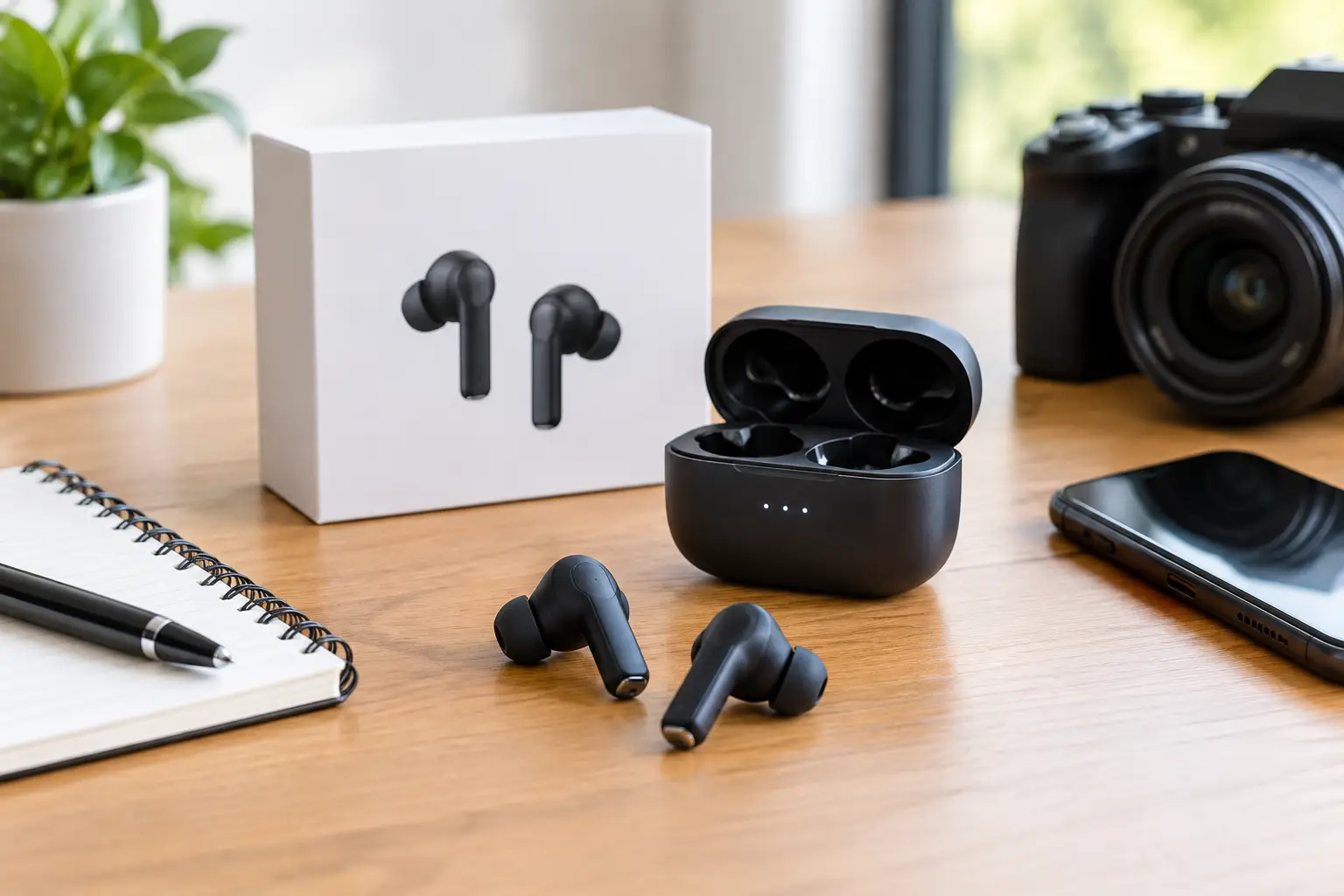
A product testing case study is only useful if it answers the questions people have before they spend their money. Does the product do what it says? Is it straightforward to live with? Where does it fall short? For anyone comparing a car accessory, kitchen gadget, cleaning tool or bit of everyday tech, those details matter far more than a shiny box or a long list of features.
Real reviews work best when they show the product in ordinary conditions, not just at its most flattering. That does not mean every review needs a laboratory, specialist kit or weeks of complicated measurements. It means being clear about what was checked, how it was used and what the result actually tells us.
Why a product testing case study matters
A single star rating rarely gives enough context. Two people can try the same product and reach completely different conclusions because they use it differently, expected different things or paid very different prices. A compact car vacuum may be ideal for crumbs on the seats after a family trip, yet disappointing if someone expects it to deep-clean a muddy boot. Neither view is necessarily wrong.
A proper case study puts the result in context. It explains the starting point, the job the product was meant to do and the conditions of the test. That helps readers decide whether the findings apply to their own situation instead of treating one opinion as a universal verdict.
It is also a useful guard against overblown claims. “Worked well” is vague. “Picked up loose dust from fabric seats but struggled with embedded dirt” gives someone useful information. The second statement may sound less dramatic, but it is much more valuable when deciding whether to buy.
A practical product testing case study framework
The strongest approach starts before the packaging is opened. First, define the question the test is trying to answer. For a dash-mounted phone holder, the question might be whether it stays secure over normal road surfaces and whether it is easy to fit without blocking useful controls. For a portable tyre inflator, it may be whether it is convenient for topping up tyres and whether its controls are clear enough to use at the roadside.
The point is not to test everything imaginable. It is to test the things a normal buyer is likely to care about. A review becomes more useful when it focuses on the product’s actual purpose rather than chasing technical detail for its own sake.
Start with the claim, not the hype
Look at what the product says it will do, then turn that into a simple test. If a cleaning product claims to remove everyday marks, try it on appropriate everyday marks. If a boot organiser promises to keep items in place, see whether it stays put with normal shopping, a coat or a few basic car essentials inside.
Be careful with claims that depend heavily on circumstances. Battery life changes with settings and usage. Cleaning results vary by surface. A phone mount that works perfectly in one car may not suit another dashboard shape. Rather than hiding those variables, mention them plainly.
Use it in conditions that resemble real life
There is a difference between trying a product once on a kitchen table and using it where it is meant to live. A car accessory needs to be considered in a car. A travel item needs enough use to reveal whether it is genuinely handy to pack, carry and put away.
That said, fair testing has limits. A short test can comment on first impressions, fitting, ease of use and immediate performance. It cannot honestly prove long-term reliability. If a product has only been used briefly, say so. If it has been used over a longer period, explain the sort of use it has had without pretending it represents every possible owner experience.
Record what happened, including the awkward bits
Good product testing does not edit out the moments that are slightly frustrating. Perhaps the instructions are unclear, the cable is too short for a particular setup or a lid is difficult to open with cold hands. Small details often decide whether a product gets used regularly or ends up in a drawer.
It is equally worth recording what went smoothly. Was setup quick? Did the controls make sense without constantly checking the manual? Was the product easy to store afterwards? These are not glamorous findings, but they are the details that make a review feel like advice from someone who has actually paid attention.
What to measure and what to describe
Not every product needs a spreadsheet. Numbers are helpful when they can be checked sensibly, such as weight, dimensions, stated capacity, charge time or the number of items a storage solution holds. They become less helpful when they create false precision.
For many everyday products, description is just as useful. Explain the materials, the fit, the amount of effort needed and whether the product feels suited to regular use. If something is made from thin plastic, that is worth saying. If it feels solid but takes up more space than expected, that is a meaningful trade-off.
Photos and video can help show scale, fitting and real use, although they should support the explanation rather than replace it. A close-up may show how a mount attaches, but viewers still need to know whether it obscures a vent or takes two hands to adjust. Real Vlogs. Real Places. Real Reviews. The useful part is always the honest context around what is being shown.
The result: useful, not absolute
The final judgement should answer who the product suits, who may want to look elsewhere and why. A product can be good value without being the right choice for everybody. The cheapest option may handle a basic job well but lack the convenience, finish or longevity that another buyer wants.
This is where comparisons need care. A researched comparison can set out differences in design, claimed features and intended use, but it should not be presented as hands-on testing unless the products have actually been tested. It is better to say that one option appears better suited to a particular need based on available information than to make a claim that has not been verified in use.
A clear verdict might sound like this: it is a sensible option for occasional use, especially if storage space matters, but frequent users may prefer something sturdier or more powerful. That gives readers a direction without forcing a one-size-fits-all answer.
Common mistakes that weaken a review
The biggest mistake is treating a first impression as a long-term verdict. Products can feel impressive straight out of the box and prove inconvenient later, while others seem unremarkable until they become a genuinely useful part of everyday life. Time changes the picture.
Another common problem is ignoring setup. If a product requires an app, charging, assembly or a specific fitting method, that is part of the ownership experience. A brilliant feature is less brilliant if getting it working is unnecessarily fiddly.
Price also needs context. Calling something “expensive” without saying what it offers differently is not much help. A higher price may be justified by build quality, included accessories or a better guarantee. Equally, an added feature is not automatically worth paying for if most buyers will never use it.
Finally, avoid making claims beyond the test. One item working well does not prove every unit will. One product failing does not always prove the whole range is poor. Honest wording protects the reader from false certainty and makes the findings more credible.
Turning testing into better buying advice
The best product reviews leave readers feeling better informed, not pushed towards a purchase. They make room for different budgets, vehicles, homes and habits. Someone preparing for regular motorway miles will have different needs from someone looking for a simple accessory for occasional weekend trips.
When watching or reading any review, look for the method behind the opinion. Was the product used for the job it was designed for? Are the limitations explained? Does the reviewer separate facts from personal preference? Those clues tell you far more than a dramatic thumbs-up or thumbs-down.
For future hands-on product reviews, subscribe to Vlog Life Reviews. The most helpful review is not the one that promises a perfect answer. It is the one that gives you enough real-world detail to decide whether a product makes sense for your own day-to-day life.
Leave a Reply